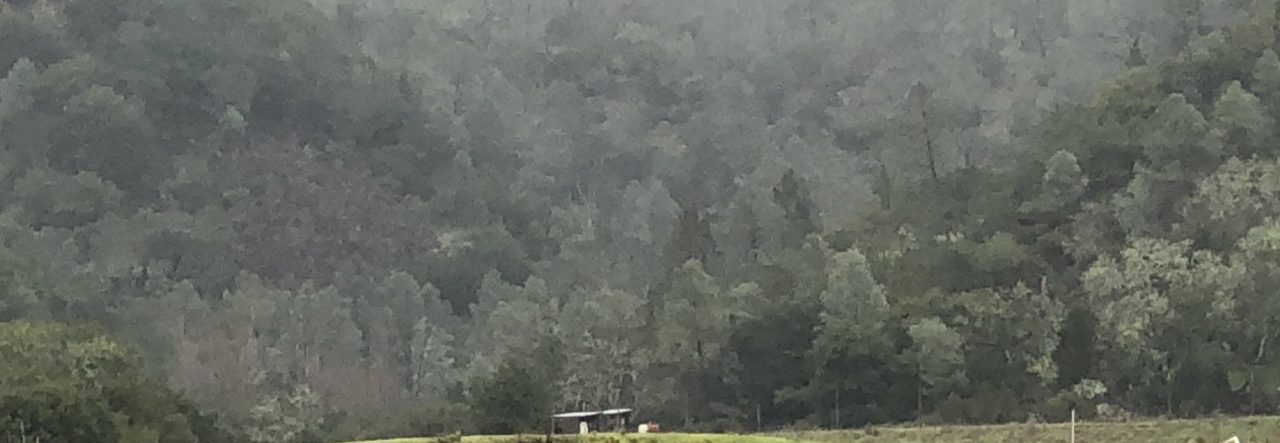
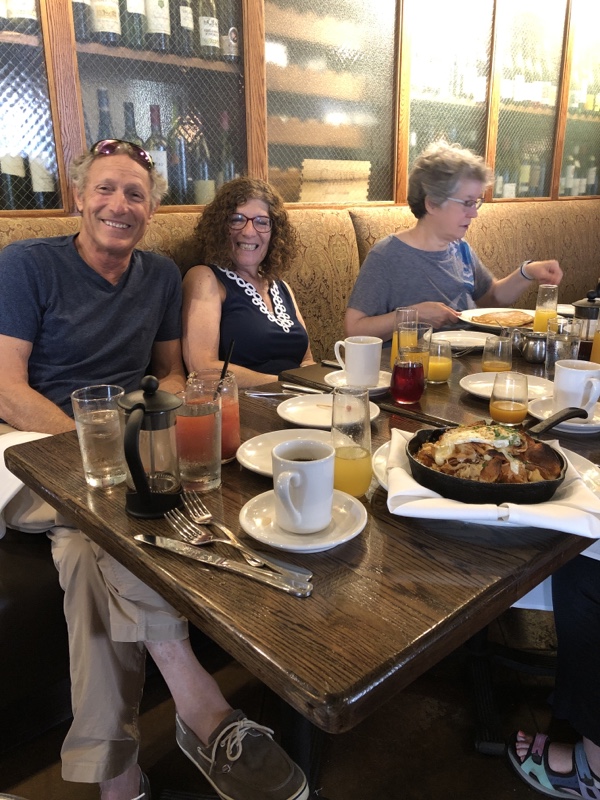
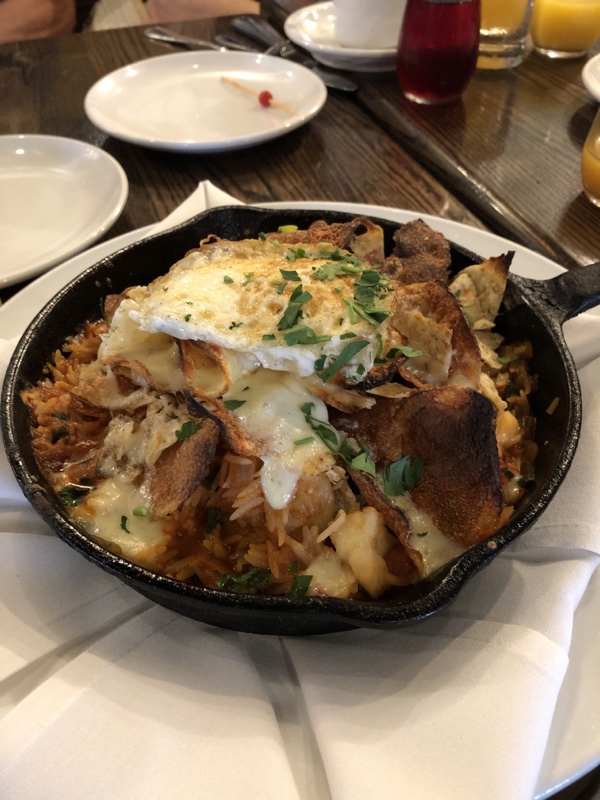
At de Wolf for a nice breakfast get together. Fine Mimosas and shatshukas.
Finished reading Nicole Perlroth’s monumental study of cyber over the past few decades. “ This is how they tell me the world ends”
It is the history of the people and story of the cyberweapons arms race. Thrilling read for those inclined to such history.
Just a few snippets, far too many as this is a long book; the third is fun for Palo Alto locals.
There’s something happening here. What it is ain’t exactly clear. There’s a man with a gun over there Telling me I got to beware I think it’s time we stop, children, what’s that sound, Everybody look what’s going down —BUFFALO SPRINGFIELD
Senate Majority Leader Mitch McConnell. McConnell made clear that he would not advance any election security bill, no matter how bipartisan. Even measures deemed critical by election integrity experts—paper trails for every ballot and rigorous post-election audits, bills that blocked voting machines from reaching out to the web and required campaigns to report foreign outreach—died on McConnell’s desk. It was only after critics took to calling him “Moscow Mitch” that McConnell begrudgingly approved $250 million
Stanford’s campus was dry. Under the deed of Leland Stanford, no alcohol could be served on campus or even in Palo Alto, and administrators worried about the flocks of students getting drunk down the road. Stanford’s first president had lobbied unsuccessfully to shut Zott’s down, calling it “unusually vile even for a roadhouse.
a rogue actor or nation-state to sabotage the software embedded in the Boeing 737 Max than it is for terrorists to hijack planes and send them careening into buildings. Threats that were only hypotheticals a decade ago are now very real. Russia proved it can turn off power in the dead of winter. The same Russian hackers who switched off the safety locks at the Saudi petrochemical plant are now doing “digital drive-bys” of American targets. A rudimentary phishing attack arguably changed the course of an American presidential election. We’ve seen patients turned away from hospitals because of a North Korean cyberattack. We’ve caught Iranian hackers rifling through our dams. Our hospitals, towns, cities, and, more recently, our gas pipelines have been held hostage with ransomware. We have caught foreign allies repeatedly using cyber means to spy on and harass innocent civilians, including Americans. And over the course of the coronavirus pandemic, the usual suspects, like China and Iran, and newer players, like Vietnam and South Korea, are targeting the institutions leading our response.
 Boogs Together: tiptoptea
You must be logged in to post a comment.